The landscape of digital
marketing has dramatically changed in the past decade. Consumers no longer
wish to sit for hours waiting for responses to emails or hours navigating
through complex websites for solutions. Customers expect immediate
communication with personalized experience, as well as authentic interactions
with companies.
With the changing behavior of
consumers as well, companies are moving away from conventional marketing
strategies and moving towards more interactive methods. One method that
has seen substantial popularity is the
use of conversational marketing. Through enabling instant
interaction between companies and their customers the conversational approach
makes for a more interactive and effective customer experience.
Nowadays, apps such as
WhatsApp and live chat AI-powered assistants and apps for messaging are helping
companies strengthen their relationships with their customers as well as
increasing conversions and enhancing customer satisfaction.
In this piece we'll discuss
how conversational marketing is shaping up to be the new frontier of digital
development and what businesses can do to leverage new communication technology
to stay ahead of competitors.
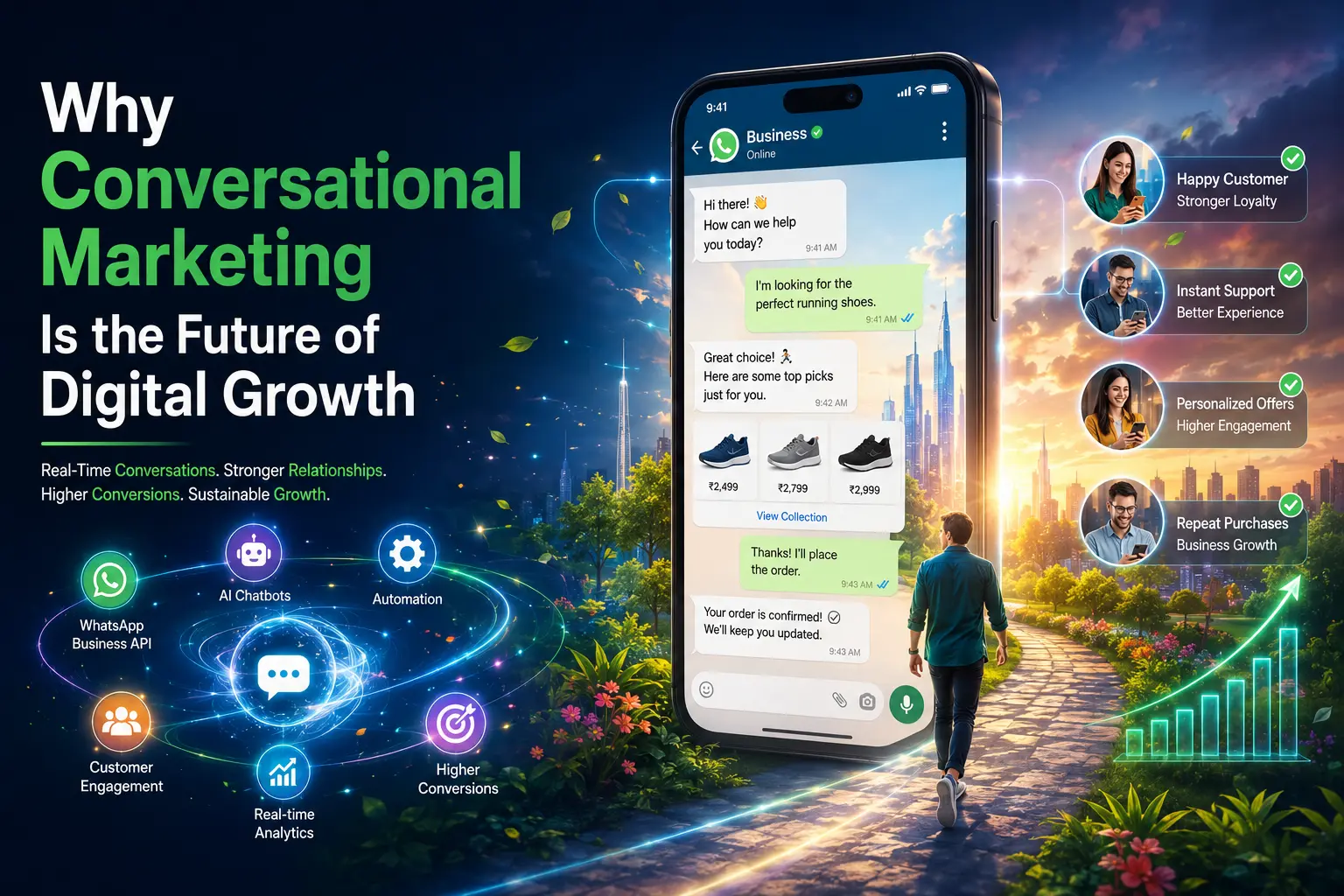
What Is Conversational
Marketing?
Conversational marketing is a
method of interacting with customers that is focused on immediate personal
communication between companies and their clients.
Instead of solely relying in
traditional marketing channels Businesses can interact with their customers by
engaging them in personal conversations on chatbots, messaging platforms live
chat platforms, as well as platforms for social media.
The goal of the primary
objective is:
- Reducing friction
throughout the customer experience
- Improve engagement
- Answer any questions
immediately
- Create confidence
- Make conversions more
efficient
Contrary to conventional
marketing strategies which broadcast messages to huge audience, conversations
with marketing generate dialogues that are intimate and appropriate.
Why Customer Expectations Have
Changed
Today's consumers expect
companies to be accessible whenever they require assistance.
Many factors have led to these
shifting expectations:
Increased Mobile Usage
Smartphones are now the main
technology for communication among many people.
Demand for Instant Responses
Customers don't have to sit
around for days or hours to get a response.
Preference for Messaging Apps
The majority of people are now
using messaging instead of phones and email.
Personalized Experiences
The customers expect brands to
know their requirements and preferences.
If businesses fail to live up
to the requirements of customers could lose them to companies that offer faster
and more convenient communications.
The Rise of Messaging-Based
Communication
Platforms for messaging have
been central to strategies for customer engagement.
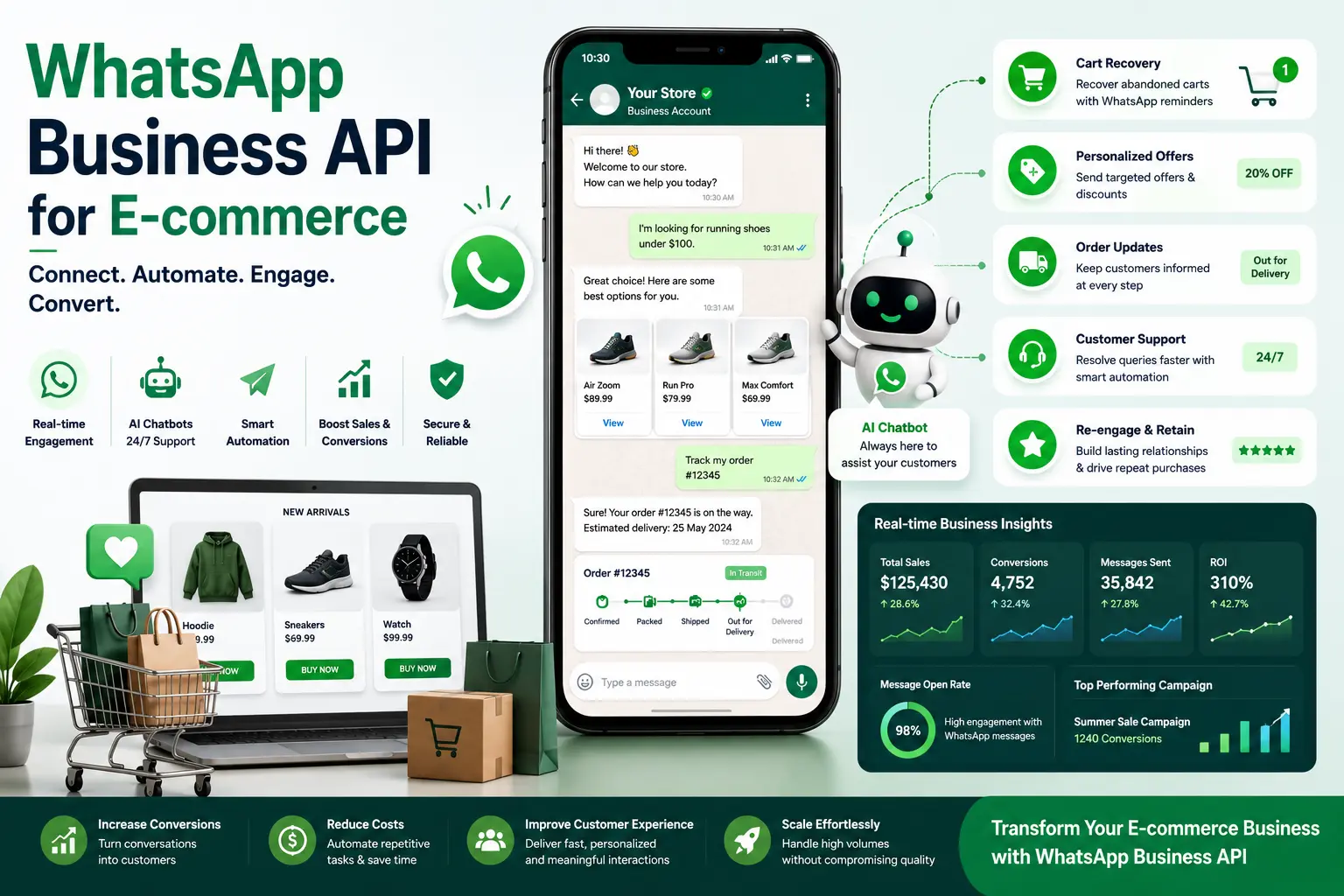
Of all them, whatsapp
business api is regarded as one of the top methods for business
communications.
With millions of active users
around the world, WhatsApp provides businesses with immediate access to their
customers on the same channel that they use every day.
Contrary to other channels of
communication, WhatsApp enables businesses to:
- Connect instantly
- Create personal
interactions
- Share multimedia content
- Offer customer assistance
- Notify recipients
The chance is excellent for
marketing strategies that utilize dialogue.
How Conversational Marketing
Improves Customer Engagement
Customer interaction is one of
the main reasons for the success of a company.
Companies that are actively
engaging with customers frequently have the following experience
- More retention rates
- Higher conversion rates
- Improved customer loyalty
- Greater lifetime value
A strong WhatsApp
customer engagement strategies enable businesses to build meaningful
relationships across the entire customer journey.
Examples include:
- Product suggestions
- Customer support
- Reminders for
appointments
- Order updates
- Feedback collection
These interactions will keep
the customers interested in the brand, allowing for continuous interaction.
The Role of AI in
Conversational Marketing
Artificial intelligence has
changed how businesses interact with their customers.
Modern chatbot
that is on whatsapp can
manage thousands of client inquiries at once, all the as well as provide quick
and exact response.
The benefits of chatbots
powered by AI include:
24/7 Availability
Customer support is provided
24/7.
Faster Response Times
Quick responses improve the
customer's satisfaction.
Reduced Operational Costs
Companies can automatize
repetitive tasks.
Improved Lead Qualification
AI is able to identify
prospects with high interest in real-time.
Scalable Customer Support
Support teams are able to
handle larger quantities of queries effectively.
Chatbots will be more useful
for companies that want to develop more solutions related to customer
interaction as artificial intelligence evolves.
Personalization: The Key to
Higher Conversions
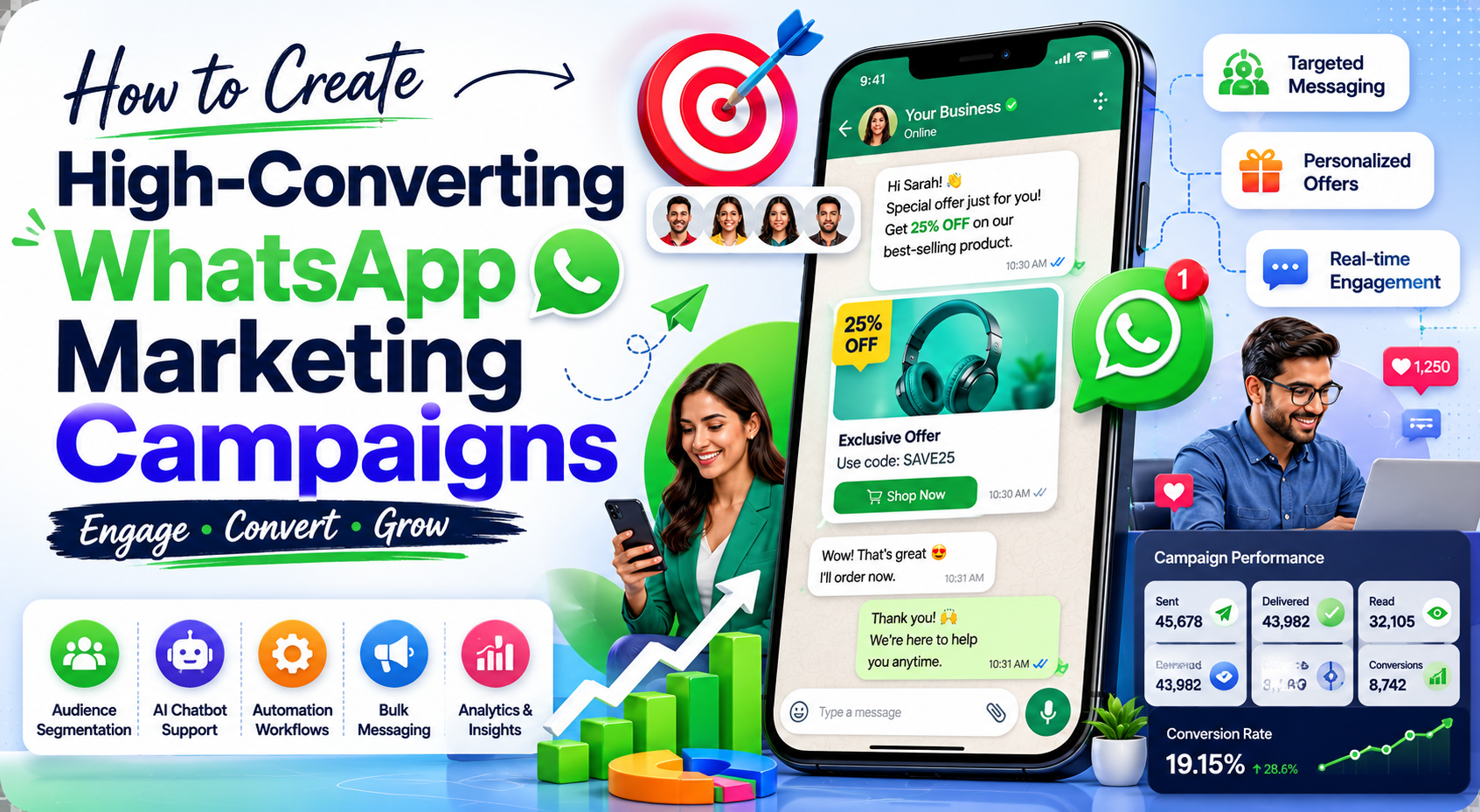
Marketing messages which are
generic do not usually manage to capture the attention of customers.
Conversation-based marketing
is based on engaging with customers personally to satisfy their needs.
The personalization could
comprise:
- Names of customers
- History of purchase
- Product suggestions
- Behavioral data
- Deals that are based on
the location
As long as the customers are
given relevant information, they will most likely be able to pay attention to
this and make a conversion.
Personalized communications
make stronger connections with customers.
Automating Conversations
Without Losing the Human Touch
With the growth of businesses,
coordinating each interaction with customers manually gets more difficult.
This is the place where the
automation of WhatsApp can
play a vital role.
Automation helps businesses
streamline the process of communication, while ensuring the same level of
consistency.
Common automation use cases
include:
- Thank you messages
- Lead nurturing sequences
- Reminders for
appointments
- Follow-up actions
- Order notification
The secret to an effective
automation is to balance efficiency and individualization.
The customer should feel that
they're engaging in meaningful conversation instead of interacting via a robot
system.
Building a Seamless Customer Journey
Businesses interact with
customers throughout the process of making purchases.
A conversational strategy that
is successful assists customers throughout their whole journey.
Awareness Stage
The businesses answer any
initial questions and give the necessary information.
Consideration Stage
Customers get product
suggestions as well as assistance.
Decision Stage
Sales managers address the
issues and promote conversion.
Post-Purchase Stage
The businesses provide
support, update as well as follow-up communications.
In keeping the same
conversations going on at each stage of the process, businesses can provide
more seamless customer experiences, and increase potential for conversion.
Why Businesses Need a Modern
Messaging Platform
Traditional communications
systems are often unable to adapt to the needs of today's consumers.
Companies require scalable
solutions that enable real-time messaging.
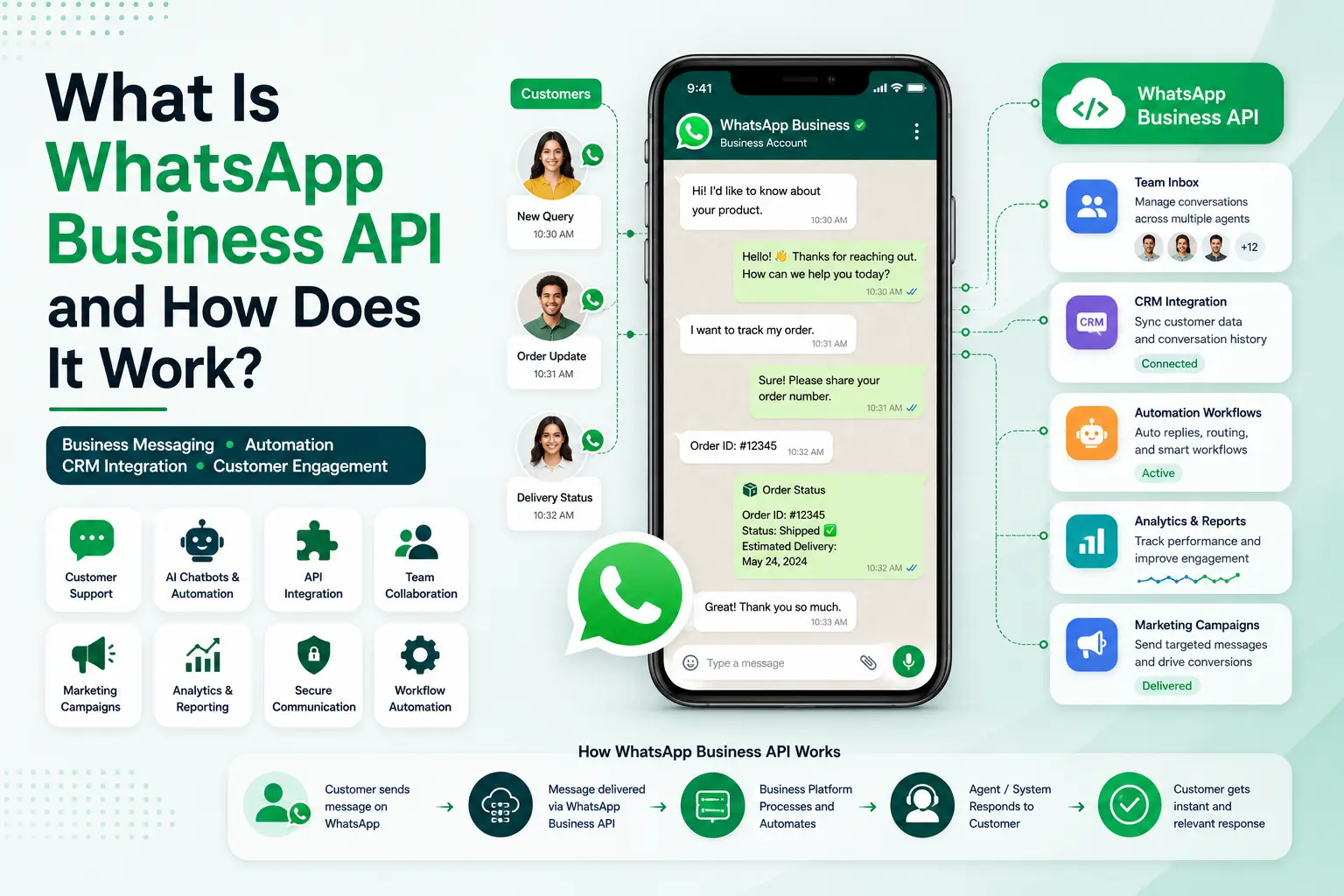
A solid WhatsApp
business messaging platform lets
businesses manage conversations, streamline workflows and offer personalized
services using a single application.
The most common features are:
- Team inboxes shared by
the Shared Team
- Integrations into CRM
- Tools for automation
- Analytics dashboards
- Customer segmentation
This helps businesses develop
better communication strategies and improving the efficiency of their
operations.
Conversational Marketing and
Lead Generation
The generation of leads is
among the main goals for numerous businesses.
Lead generation techniques
that are traditional frequently cause delays between customer requests and
responses from business.
Marketing via conversation
reduces the time it takes to complete because it allows for immediate
interaction.
Benefits are:
- Faster lead qualification
- Increased response rates
- Potential for higher
conversion
- Better customer
experiences
Businesses that respond
swiftly and quickly, they have a higher chance of converting potential
customers into customers.
This advantage in speed is
usually an important competitive advantage.
Data and Insights Drive Better
Decisions
One benefit of digital
communications platforms is the access to important information about
customers.
Companies can look at:
- Response Rates
- Engagement levels
- Conversion metrics
- Preferences of the
customer
- Campaign performance
The insights provided by these
studies allow marketers to improve their strategies, and continually enhance
customer interaction.
Decision-making based on data
leads to more efficient advertising campaigns, and more profitable results for
business.
Future Trends in
Conversational Marketing
The future of the
conversational market is shaped by developments in technology as well as
customer expectations.
Trends that are emerging
include:
AI-Powered Personalization
Companies will offer
increasingly personalized experience.
Conversational Commerce
Purchases can be made via the
messaging platform.
Voice-Based Interactions
Voice assistants will play an
more important role in communicating with customers.
Predictive Engagement
Companies will actively engage
with clients based on their behaviour and preference.
Omnichannel Experiences
Customers can experience
seamless interaction through a variety of communication channels.
Companies that adopt these
changes will be more likely to experience the long-term goal of development.
How Testsensy Helps Businesses
Succeed
Companies looking to adopt
conversations-based marketing strategies require reliable technologies and
experienced guidance.
Testsensy offers advanced
messaging services which help companies leverage WhatsApp for customer
interaction and automation. It also helps leads generation, as well as support.
From implementation and
integration to automated campaign management and automation companies can
leverage advanced tools for communication to enhance customer service and
achieve the growth that is measured.
Conclusion
The future of digital
development is in the hands of businesses that focus on authentic customer
dialogue. As customers are becoming more impatient, wanting quick and
tailored responses, conversational marketing has become a vital approach to
attracting new customers and retaining them too.
Through use of such tools as WhatsApp business
API, artificial intelligence (AI) messaging automation, among others,
companies can offer great customer experiences leading to higher sales and
retention rates.