The field of digital marketing
is constantly evolving yet one thing is unchanging: people want quick flexible,
efficient and personalized communications. Email and SMS continue to play
an important part, however businesses are increasingly using WhatsApp to
communicate with clients where they spend their time.
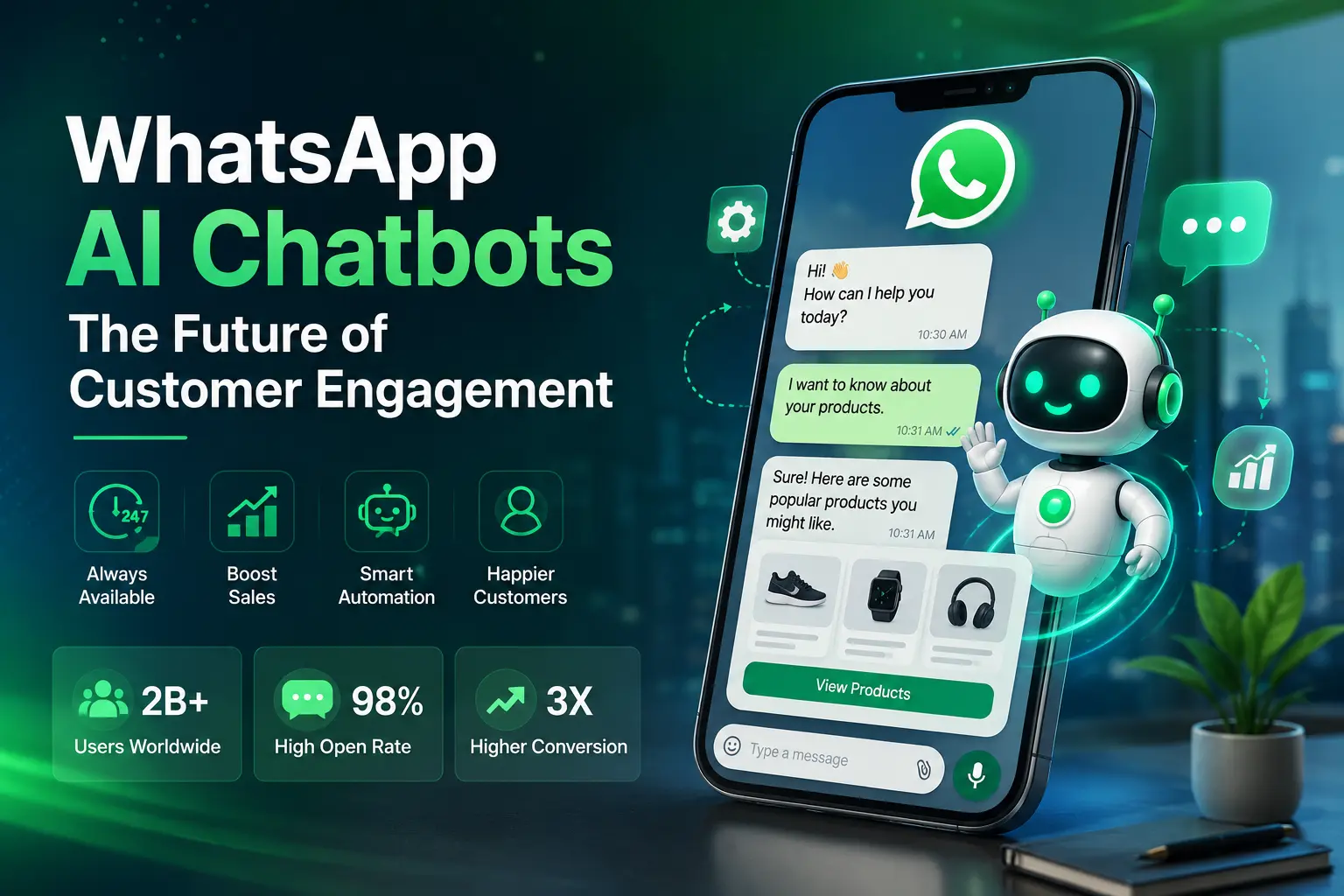
WhatsApp is now considered one
of the most effective communication mediums that companies use, as there are
many active users globally. However, it is not easy to handle such a huge
number of messages through manual effort. That's where WhatsApp
automating marketing can be a game changer.
From lead nurturing to
promotional campaigns to customer care and order update Automation allows
enterprises to efficiently engage with their customers as well as improve the
overall experience. In this tutorial will help you understand the way
WhatsApp automation functions, why it's crucial in 2026 and the best way for
your company to utilize it to help drive tangible expansion.
What Is WhatsApp Marketing
Automation?
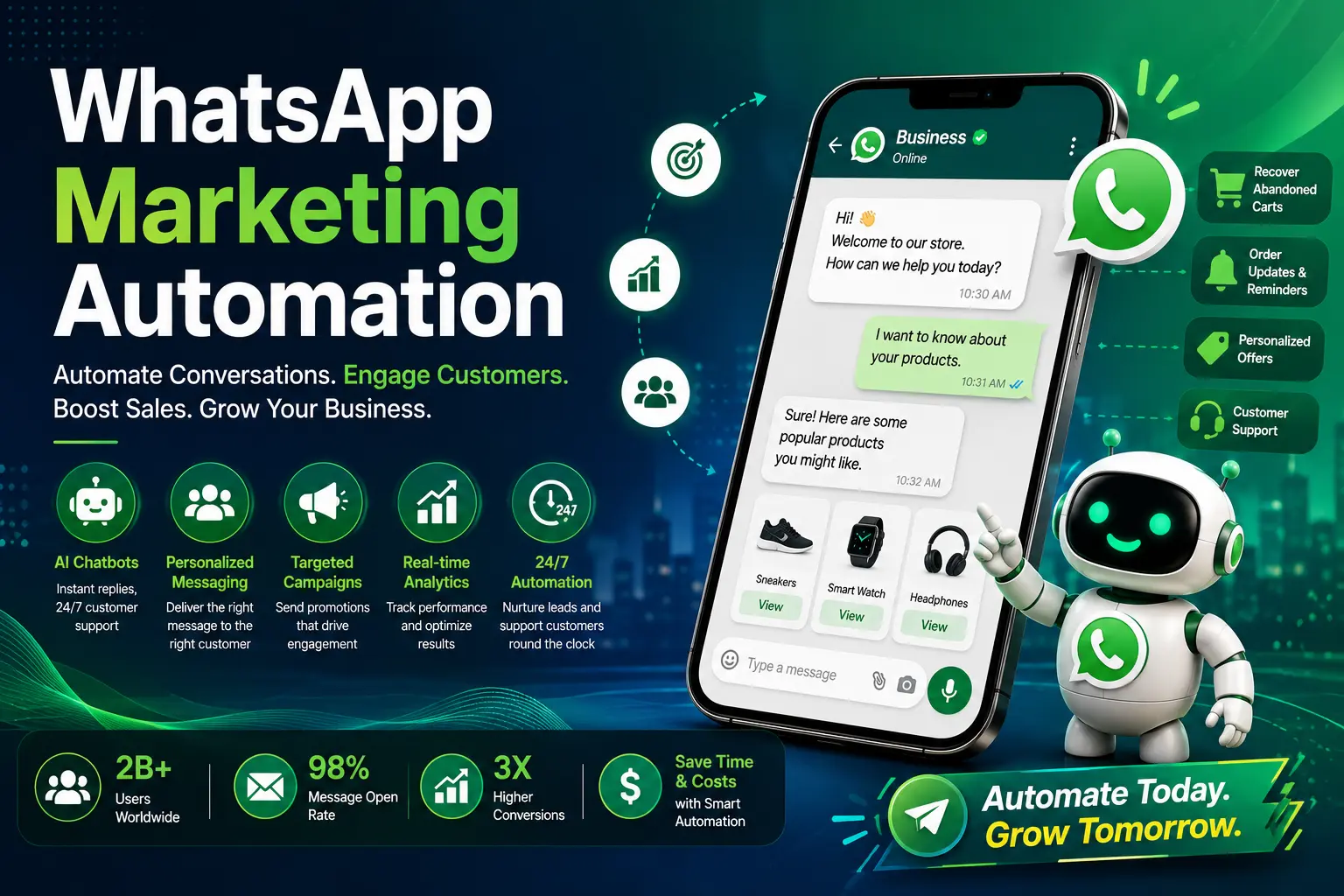
WhatsApp Marketing automation is the term used to describe the automation
of workflows, chatbots, or messaging platforms to interact with clients on
WhatsApp with no needing regular hand-holding.
Businesses can automate:
- Thank you messages
- Lead qualification
- Promotive campaigns
- Reminders for
appointments
- Cart message of recovery
- Confirmation of orders
- Customer support
responses
- Feedback collection
Combining automation and
personalization companies can provide significant customer experiences at a
large size.
Why Businesses Are Adopting
WhatsApp Automation
The expectations of customers
have drastically changed.
The consumer wants:
- Instant reactions
- Personalized
communications
- Convenient support
- Updates in real-time
The manual approach to meeting
these demands can cost a lot of time and money.
Whastapp Automated Business can give faster response to the
customers, maintain consistency in the service and also enhance customer
satisfaction at reduced operating costs.
Key Benefits
Faster Customer Responses
Automatization ensures that
customers get immediate responses, even during non-business times.
Higher Engagement Rates
WhatsApp messages usually have
greater open rates and higher rate of response than conventional mailer
campaigns.
Increased Productivity
Automated tasks take care of
repetitive chores and allows teams to concentrate on the strategic aspects.
Better Customer Experience
Customers get timely,
pertinent and personalised messages that are relevant, timely and personalized.
Improved Conversion Rates
Automated follow-ups assist in
moving prospects along the sales process efficiently.
How WhatsApp Business API
Powers Automation
The basis of the advanced
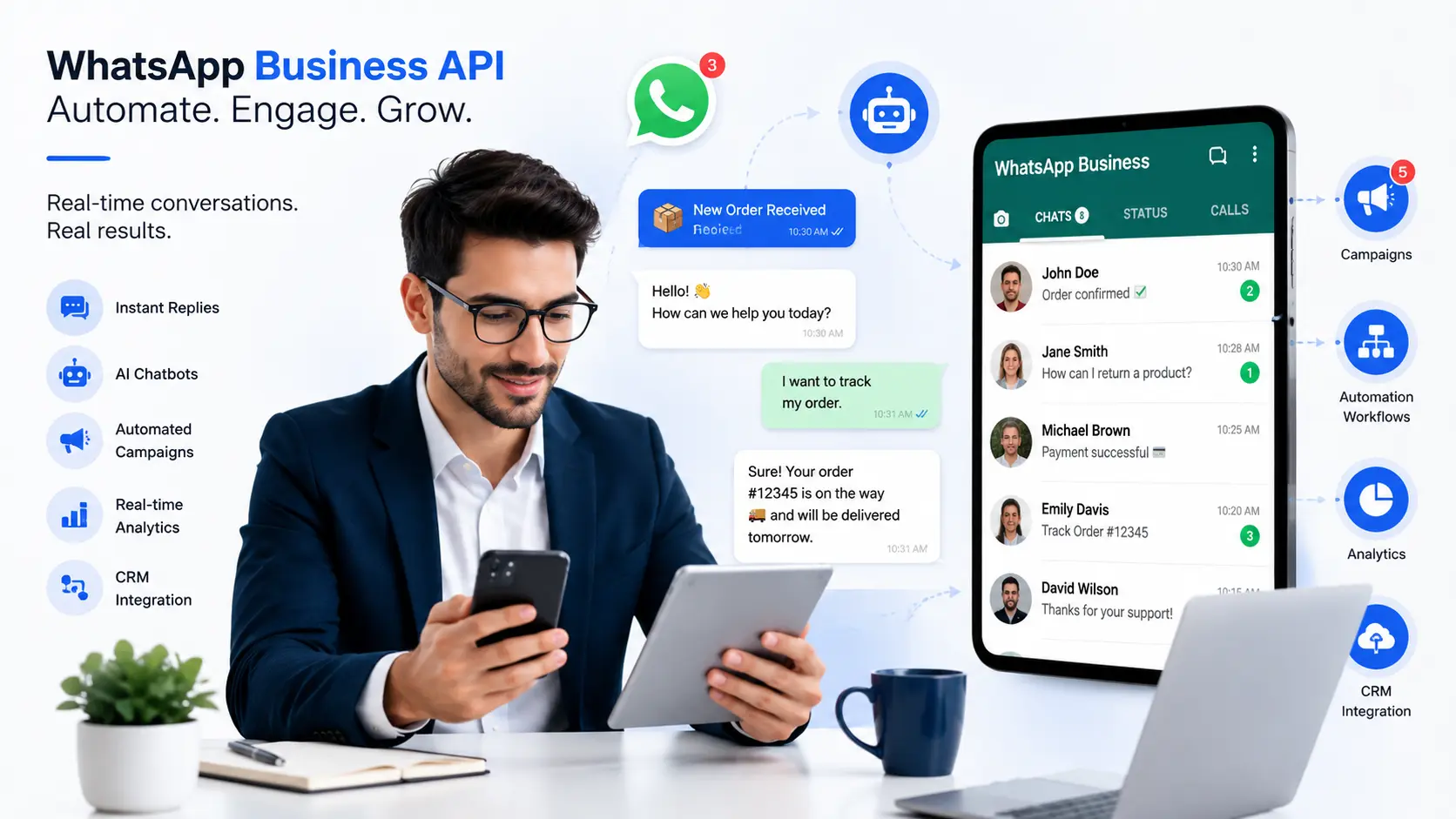
WhatsApp automation lies in an API for WhatsApp. WhatsApp Business
API.
Different from the normal
WhatsApp Business Application API, this API allows businesses to:
- Automated conversation
- Integrate CRM systems
with CRM
- Manage high message
volumes
- Utilize AI-powered
chatbots
- Run marketing campaigns
- Follow the customer's
interactions
The API is specifically
designed to suit expanding businesses and requires flexible customer
communications solutions.
Top Use Cases of WhatsApp
Marketing Automation
1. Lead Generation and
Qualification
Business can streamline lead
generation using WhatsApp forms, advertisements websites, widgets for the
website, as well as QR codes.
Automated workflows are able
to:
- Collect customer details
- Determine the needs of
customers
- Qualify prospects
- Sales teams can use leads
as route leads
This speeds up response time
and boosts the efficiency of sales.
2. Abandoned Cart
Recovery
Cart abandonment still remains
a big problem for online stores.
Automated WhatsApp reminders
could help customers to buy via:
- Cart reminders
- Discounts and offers
- Product suggestions
- Find links
The messages usually have more
than the emails.
3. Automated Customer
Support
The majority of customers'
inquiries are repeated.
Examples include:
- Status of the order
- Updates on shipping
- Hours of operation
- Information about the
product
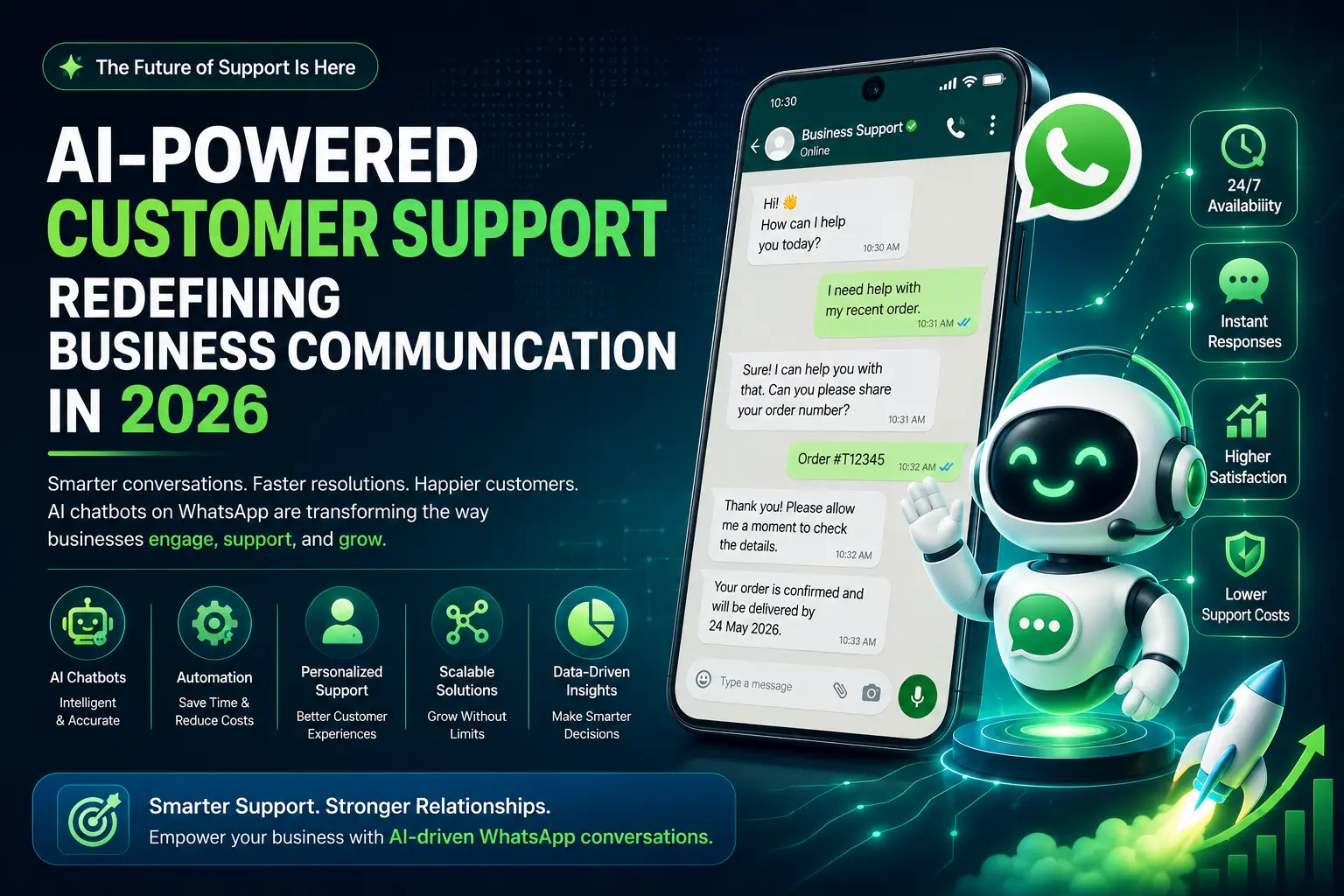
An WhatsApp
chatbot that is designed specifically for business is able to respond quickly to demands, increasing
satisfaction of customers and decreasing support costs.
4. Appointment Scheduling
Salons, health care providers
consulting, service companies can use automation to:
- Reservations for
appointments
- Confirmations
- Rescheduling
- Reminders
This helps reduce no-shows as
well as improves the efficiency of operations.
5. Promotional Campaigns
Companies can create automated
marketing campaigns in response to customer behaviour.
Examples include:
- Product launches
- Offers for seasonal sales
- Reward points for loyalty
- Customized promotions
The most targeted campaigns
usually result in greater levels of engagement as well as higher the conversion
rate.
The Role of AI in WhatsApp
Automation
Artificial Intelligence is
changing the way customers communications.
Modern AI-powered systems may:
- Learn to discern the
intentions of customers
- Respond to contextual
needs
- Recommend items
- Be able to handle
complicated discussions
- Take advantage of
interactions
As AI technology develops,
companies are increasingly mixing chatbots with automation in order to deliver
better customer experience.
AI-driven marketing allows
companies to interact with customers in a natural way while ensuring
operational efficiency.
Best Practices for WhatsApp
Marketing Automation
Focus on Personalization
Customers expect personalized
experiences.
Make use of customer
information for example:
- Name
- History of purchase
- Preferences
- Prior interactions
More personalized messages
tend bring about interest.
Obtain Customer Consent
Be sure to check that the
customer has opted for the promotional message prior to sending it.
This keeps compliance in check
and increases confidence.
Keep Messages Concise
WhatsApp is designed for
speedy messaging.
Clear, concise messages
usually are more effective than long material.
Use Automation Strategically
Every conversation shouldn't
be automatic.
Complex problems should be
referred to human agents whenever necessary.
Monitor Performance Metrics
Key performance indicators to
monitor for example:
- Rates at open
- Response Rates
- Rates of conversion
- Customer satisfaction
- Campaign ROI
Regular optimization improves
long-term results.
Common Mistakes Businesses
Should Avoid
Overusing Promotional Messages
Over-promotions can cause
customers to turn off or even block your company.
Make sure you balance
value-driven marketing and communication.
Ignoring Customer Preferences
Let customers manage the
frequency and type of messages they get.
Poor Chatbot Design
Chatbots are designed to
simplify user interactions and not make them more complicated.
Spend time on designing
rational flow of conversation.
Lack of Integration
Automation is most effective
when it is integrated to:
- CRM systems
- Platforms for marketing
- Tools for customer
support
- Software for sales
Integrated systems provide a
unified customer experience.
Future Trends in WhatsApp
Marketing Automation
AI-Powered Customer Journeys
The business world will more
often employ AI to deliver highly customized user experiences.
Predictive Messaging
The future automation system
will be able to be able to anticipate the needs of customers by studying
patterns of behavior.
Voice and Multimedia
Automation
Voice interactions and
interactive messages are expected to become more widespread.
Advanced Analytics
Companies will get deeper
insight about customer behaviour and campaign results.
Hyper-Personalization
Automation systems will
provide high-quality, customized interaction at any time.
This could transform WhatsApp
among the strongest marketing channels available to businesses by 2026 and
beyond.
Why Businesses Choose
Testsensy
The implementation of a
successful WhatsApp automation will require the appropriate tech partner.
Testsensy helps businesses
leverage:
- WhatsApp Business API
- Chatbots with AI powered
- Automation of marketing
- Customer support
automation
- Lead generation workflows
- Personalized customer
engagement
Through scalable solutions as
well as experience in the industry, Testsensy enables organizations to improve
efficiency, streamline communications and boost business growth.
Conclusion
Since expectations of
customers continue to increase, companies need innovative ways to engage with
customers in a way that is effective and efficient. WhatsApp
automated marketing offers
a powerful way to do this that combines speed, individualization as well as
effectiveness.
If your objective is to
generate leads, increasing support or reclaiming abandoned carts or boosting
customer satisfaction Automating your processes can deliver real improvements.
The companies who invest in
WhatsApp automation now will be better placed to be competitive, expand, and
strengthen customer relationships by the 2026 years and after.